In the aftermath of tragic events, the quest for understanding often leads us to seek out the rawest forms of evidence available. The 911 cockpit voice recordings, which capture the chilling moments during the tragic events of September 11, 2001, stand as a haunting testament to the chaos and courage exhibited in the skies that day. These recordings have become pivotal in piecing together the timeline and actions taken by flight crews during one of the darkest days in American history. The importance of these recordings transcends mere documentation; they serve as a crucial part of the narrative that helps us comprehend the enormity of the attacks and the bravery shown by those in the cockpit. By examining these recordings, we can delve into the human emotions, the decisions made under duress, and the historical significance that continues to resonate today.
As we reflect on the events surrounding 911, the cockpit voice recordings provide a unique glimpse into the minds of the pilots and crew members. Their voices, captured in real time, reveal the instinctual responses of individuals facing an unprecedented crisis. The recordings are not just technical data; they embody the fear, confusion, and determination that defined the moments leading up to the tragic outcomes. Understanding these recordings offers us a more profound insight into the human experience during extreme adversity.
In this article, we will explore the significance of the 911 cockpit voice recordings, the impact they have had on aviation safety, and the broader implications for society. We will address common questions and misconceptions surrounding these recordings, shedding light on their role in shaping the narrative of 9/11 and their enduring legacy in the aviation industry.
What Are 911 Cockpit Voice Recordings?
The 911 cockpit voice recordings are audio recordings captured by the cockpit voice recorders (CVRs) installed on commercial airplanes. These devices continuously record audio from the cockpit, including conversations between pilots, announcements made over the intercom, and ambient sounds. On September 11, 2001, CVRs from the four hijacked flights—American Airlines Flight 11, United Airlines Flight 175, American Airlines Flight 77, and United Airlines Flight 93—provided crucial insights into the events that unfolded in the sky.
How Are Cockpit Voice Recordings Retrieved and Analyzed?
After an incident, the retrieval and analysis of cockpit voice recordings are conducted by specialized teams, often involving agencies such as the National Transportation Safety Board (NTSB). The process includes:
- Locating the cockpit voice recorder at the crash site.
- Extracting data from the device, which is designed to withstand extreme conditions.
- Analyzing the audio for detailed timelines and identifying key events.
Why Are 911 Cockpit Voice Recordings Important?
The significance of the 911 cockpit voice recordings extends beyond mere documentation of events. They play a vital role in:
- Understanding the actions taken by flight crews during the hijackings.
- Providing insights into the decision-making processes under extreme pressure.
- Informing changes in aviation safety protocols and training.
What Do the Recordings Reveal About the Crew's Experience?
The cockpit voice recordings from the 911 flights reveal a range of emotions experienced by the crew members. From the initial confusion to the gradual realization of the dire situation, the recordings capture the human element of crisis management. Pilots and co-pilots were faced with unimaginable circumstances, and their reactions varied from calm professionalism to moments of sheer panic.
How Have 911 Cockpit Voice Recordings Influenced Aviation Safety?
The insights gained from analyzing the 911 cockpit voice recordings have led to significant changes in aviation safety protocols. Some of the most notable changes include:
- Improved training for flight crews on handling hijack situations.
- Enhanced communication protocols between cockpit and ground control.
- Implementation of reinforced cockpit doors to prevent unauthorized access.
What Are the Ethical Considerations Surrounding the Release of the Recordings?
The release of 911 cockpit voice recordings raises several ethical questions. On one hand, the recordings serve as vital historical evidence; on the other hand, they contain deeply personal and traumatic moments for the families of the victims. Balancing the need for transparency with respect for the individuals involved is a complex issue that continues to be debated.
How Are the Recordings Used in Education and Awareness?
The 911 cockpit voice recordings have become an essential part of educational programs aimed at raising awareness about aviation safety and emergency response. They are used in various contexts, including:
- Training programs for pilots and airline staff.
- Documentaries and educational films that explore the events of 9/11.
- Public discussions on the importance of crisis management and preparedness.
What Legacy Do the 911 Cockpit Voice Recordings Leave Behind?
The legacy of the 911 cockpit voice recordings is multifaceted. They serve as a reminder of the resilience of the human spirit in the face of adversity, as well as a sobering account of the events that reshaped the world. As we continue to reflect on the lessons learned from that fateful day, the recordings remain a powerful tool for understanding and honoring the lives lost.
Conclusion: The Lasting Impact of 911 Cockpit Voice Recordings
In conclusion, the 911 cockpit voice recordings are not just audio files; they are an integral part of our collective memory of September 11, 2001. They unveil the human experience during a time of crisis, provide invaluable insights for aviation safety, and remind us of the importance of remembrance and reflection. As we move forward, it is essential to honor the stories behind these recordings while continuing to strive for a safer and more understanding world.
Exploring The Midwest City OK Police Department: A Comprehensive Overview
Exploring The City Of Oxnard Service Center: A Hub For Community Support
Discovering 621 Gracey Avenue: A Hidden Gem In The Heart Of The City
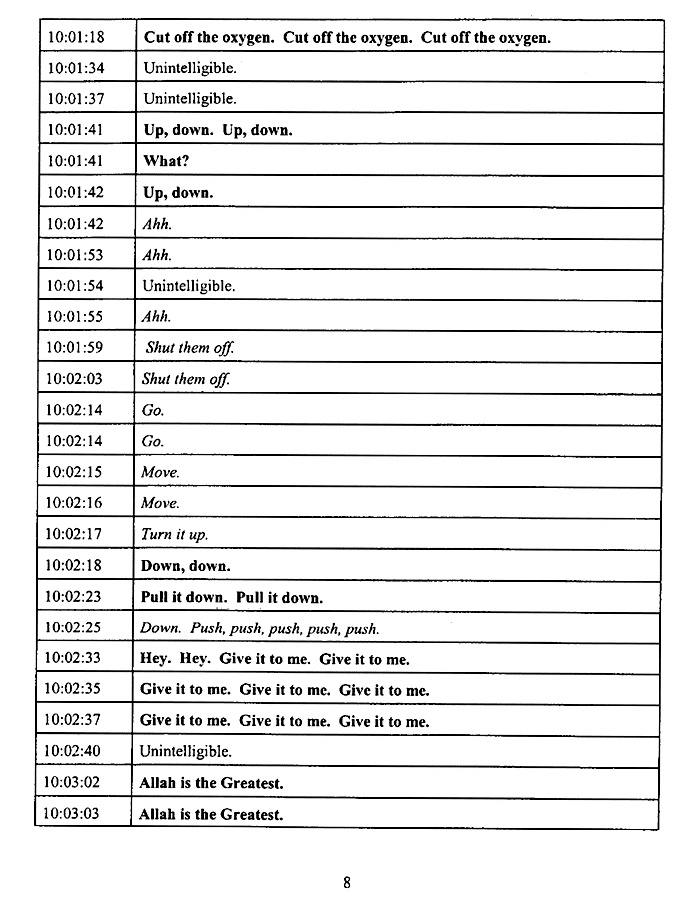
the ''911'' cockpit voice recorder transcript from United Airlines Flight 93

The Black Boxes Key to Understanding the Final Moments of Flight 93

AUDIO New 9/11 Recordings Released From Cockpit, Tower Communications Fox News Video

