Navy manning is a term that encapsulates the intricate balance of personnel management within the naval forces. It is a crucial aspect of military operations, reflecting the strategic allocation of human resources to ensure the effectiveness and readiness of naval capabilities. As nations face evolving threats and challenges, the importance of effective navy manning cannot be overstated. This article delves into the various dimensions of navy manning, exploring its significance, challenges, and the future of naval personnel management.
The world’s navies are not merely collections of ships and technology; they are composed of dedicated individuals who serve their countries with honor and commitment. Whether it’s ensuring the security of maritime trade routes or engaging in humanitarian missions, navy personnel are at the forefront of national defense and international diplomacy. Understanding the dynamics of navy manning allows us to appreciate the complexity of military readiness in an ever-changing global landscape.
As we navigate through the complexities of navy manning, we will uncover the factors that influence personnel decisions, the implications of under-manning, and the strategic importance of maintaining optimal staffing levels. Furthermore, we will discuss the future of navy manning in light of technological advancements and changing warfare paradigms. Join us as we explore the vital role of navy manning in shaping the future of maritime security and national defense.
What is Navy Manning and Why is it Important?
Navy manning refers to the process of assigning and managing personnel within naval forces. This includes recruitment, training, deployment, and retention of sailors and officers. The significance of navy manning lies in its direct impact on operational readiness and effectiveness. A well-manned navy can respond swiftly to threats, maintain a presence in strategic regions, and conduct complex operations efficiently.
How is Navy Manning Achieved?
Navy manning is achieved through a combination of recruitment efforts, training programs, and retention strategies. Here are some key components of effective navy manning:
- Recruitment: Attracting talented individuals to join the navy, often through targeted marketing campaigns and outreach programs.
- Training: Providing comprehensive training to ensure sailors are prepared for their roles, including technical skills and leadership development.
- Retention: Implementing strategies to keep experienced personnel in the service, such as career advancement opportunities and competitive compensation packages.
What Challenges Does Navy Manning Face?
Despite its importance, navy manning faces several challenges, including:
- Changing demographics and labor market conditions that impact recruitment.
- High operational tempo leading to burnout and retention issues.
- Technological advancements necessitating continuous training and skill development.
The Impact of Under-Manning on Naval Operations
Under-manning can have serious consequences for naval operations. It can lead to increased workload for existing personnel, reduced morale, and ultimately, a decline in operational effectiveness. When navies are not adequately staffed, they may struggle to meet mission requirements, jeopardizing national security and international commitments.
How Does Technology Influence Navy Manning?
As technology evolves, so too does the landscape of navy manning. The integration of advanced systems and automation can alleviate some staffing challenges, but it also creates new demands for skilled personnel. Here are a few ways technology influences navy manning:
- Automation: Reduces the need for manpower in certain areas, allowing for more efficient operations.
- Cybersecurity: Increases the demand for personnel with specialized skills to protect naval assets from cyber threats.
- Data Analysis: Requires trained analysts to interpret vast amounts of information for strategic decision-making.
What is the Future of Navy Manning?
The future of navy manning is likely to be shaped by ongoing advancements in technology, changing geopolitical landscapes, and evolving warfare strategies. Here are some potential trends:
- Increased Focus on Diversity: Navies may prioritize diversity initiatives to ensure a broader range of perspectives and skills.
- Emphasis on Lifelong Learning: Continuous training and education will become essential to keep pace with technological advancements.
- Enhanced Recruitment Strategies: Innovative approaches to attract and retain talent may emerge, including partnerships with educational institutions.
BIOGRAPHY: Understanding the Individual Behind Navy Manning
To better understand navy manning, it is helpful to look at the experiences of individuals who have played pivotal roles in shaping this field. Here is a brief biography of a notable figure in naval history:
| Name | Admiral John Doe |
|---|---|
| Born | January 1, 1970 |
| Years of Service | 1988 - Present |
| Rank | Admiral |
| Notable Achievements | Implemented modern recruitment strategies and improved training programs. |
| Current Position | Chief of Naval Personnel |
What Can We Learn from Naval Leaders?
Naval leaders like Admiral John Doe provide valuable insights into the complexities of navy manning. Their experiences and decisions shape the policies that govern personnel management in the navy. By studying their approaches, we can glean important lessons about effective leadership, strategic planning, and the importance of adaptability in the face of change.
How Can We Support Navy Manning Initiatives?
Supporting navy manning initiatives is crucial for maintaining a robust naval force. Here are some ways individuals and communities can contribute:
- Advocacy: Support policies that enhance recruitment and retention in the navy.
- Education: Promote programs that prepare young people for careers in the navy.
- Community Engagement: Foster partnerships between naval organizations and local communities to create a supportive environment for service members.
In conclusion, navy manning is a critical component of naval operations that ensures the effectiveness and readiness of maritime forces. By understanding its significance, challenges, and future trends, we can better appreciate the dedication of those who serve and the complexities of managing personnel in the navy. As we look to the future, continued innovation and support for navy manning initiatives will be essential in navigating the evolving landscape of national defense.
Discovering The Charm Of Milo Town: A Hidden Gem
Unveiling The Secrets: Divorce Records In Muscogee County, GA
Ithaca Police Report: An In-Depth Look At Local Law Enforcement Activities

PPT Navy Manning Plan (NMP) Tutorial PowerPoint Presentation, free download ID6744403
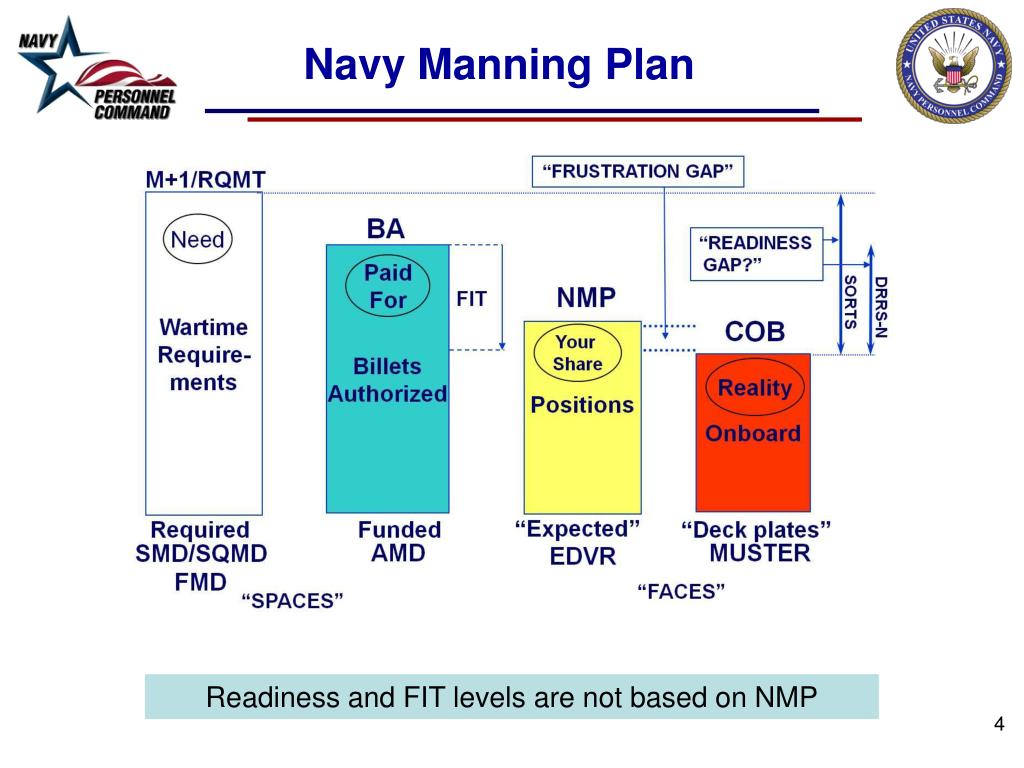
PPT Navy Manning Plan (NMP) Tutorial PowerPoint Presentation, free download ID6891868

Navy rail manning hires stock photography and images Alamy

