The United States Coast Guard Academy (USCGA) offers a plethora of opportunities for aspiring leaders who wish to serve their country. One of the most intriguing aspects of this prestigious institution is the Physical Fitness Examination (PFE), a critical component that not only assesses the physical readiness of cadets but also sets the tone for their future responsibilities. The USCGA PFE is not just a test; it is a gateway to understanding the importance of physical fitness within the military and beyond.
The USCGA PFE challenges candidates to meet a rigorous set of standards that reflect their physical capabilities. This examination encompasses various exercises, including push-ups, sit-ups, and a timed run, designed to measure strength, endurance, and overall fitness. As the Coast Guard places a strong emphasis on readiness, performing well on the PFE is vital for any cadet aiming for success in their military career. It fosters a sense of discipline, teamwork, and personal accountability, qualities that are essential for every leader.
As we dive deeper into the realm of the USCGA PFE, it is essential to understand not only how to prepare for this examination but also its significance in shaping the future leaders of the Coast Guard. This article will explore various aspects of the USCGA PFE, including preparation strategies, its impact on cadet life, and how it aligns with the broader goals of the United States Coast Guard. Whether you are a prospective cadet or simply curious about military fitness standards, this comprehensive guide will provide valuable insights.
What is the USCGA PFE?
The USCGA PFE is an essential assessment for cadets at the United States Coast Guard Academy. Designed to evaluate the physical fitness levels of candidates, the PFE consists of various exercises that challenge the strength, endurance, and overall physical capabilities of the individual. By participating in this examination, cadets are prepared not only for the physical demands of military life but also for the leadership roles they will inevitably assume.
Why is the USCGA PFE Important?
The importance of the USCGA PFE cannot be understated. It serves multiple purposes:
- Assessment of Readiness: The PFE ensures that cadets are physically prepared for the challenges they will face in the field.
- Promotion of Lifelong Fitness: The emphasis on physical fitness encourages cadets to adopt a healthy lifestyle that extends beyond their time at the academy.
- Development of Teamwork: The PFE often involves group activities, fostering camaraderie and teamwork among cadets.
- Leadership Qualities: Physical fitness is a reflection of discipline and commitment, traits that are vital for effective leadership.
How is the USCGA PFE Structured?
The structure of the USCGA PFE is designed to evaluate various aspects of physical fitness. The examination typically includes the following components:
- Push-Ups: A test of upper body strength and endurance.
- Sit-Ups: Assessing core strength and stability.
- 1.5 Mile Run: A measure of cardiovascular endurance and overall fitness level.
How Can You Prepare for the USCGA PFE?
Preparation for the USCGA PFE is crucial for success. Cadets are encouraged to adopt a training regimen that focuses on building strength, endurance, and agility. Here are some tips to help you prepare:
- Establish a Routine: Consistency is key. Develop a weekly workout plan that incorporates all elements of the PFE.
- Focus on Technique: Proper form is essential for maximizing performance and reducing the risk of injury.
- Include Variety: Mix up your workouts with different exercises to keep things interesting and engage various muscle groups.
- Monitor Progress: Regularly assess your performance to track improvements and make necessary adjustments to your training.
What Resources are Available for USCGA PFE Preparation?
There are numerous resources available to help cadets prepare for the USCGA PFE, including:
- Physical Fitness Coaches: Seek guidance from fitness coaches who specialize in military training.
- Online Training Programs: Utilize online platforms that offer specific training regimens tailored for the PFE.
- Peer Support: Join study and workout groups with fellow cadets to encourage accountability and motivation.
What Happens if You Fail the USCGA PFE?
Failing the USCGA PFE can have serious implications for cadets. However, it is important to understand the protocols in place:
- Retesting: Cadets are often given opportunities to retake the PFE to demonstrate improvement.
- Support Services: The academy provides resources and support to help cadets enhance their physical fitness.
- Impact on Cadet Status: Failing the PFE may affect a cadet's standing within the academy and their future opportunities.
How Does USCGA PFE Fit Into the Overall Cadet Experience?
The USCGA PFE is not just a one-time examination; it is an integral part of the overall cadet experience. Physical fitness is emphasized throughout the academy, with regular training and assessments embedded into the curriculum. The commitment to maintaining physical readiness fosters a culture of discipline and resilience among cadets, preparing them for the challenges they will face as leaders in the Coast Guard.
Final Thoughts on USCGA PFE
The USCGA PFE is a crucial element of the United States Coast Guard Academy's commitment to developing well-rounded leaders. By understanding its significance and preparing diligently, cadets can not only excel in the PFE but also cultivate the physical and mental resilience needed for a successful military career. Whether you are an aspiring cadet or simply interested in military fitness, the USCGA PFE embodies the spirit of dedication and service that lies at the heart of the Coast Guard.
Unlocking The Secrets Of St. Lucie County Public Records
Belfast Project: Unraveling The Threads Of History
Exploring The Hartford Housing Authority In Hartford, CT
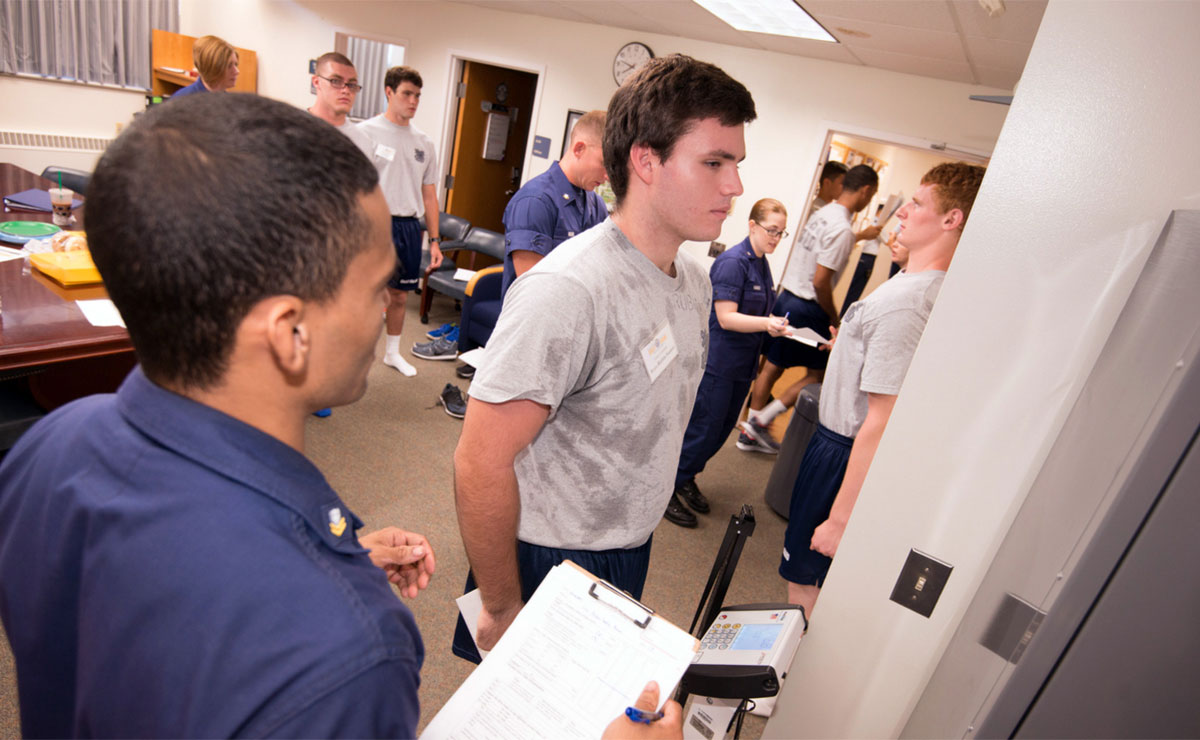
Tips for Success United States Coast Guard Academy

USCGA

CGA the largest number of women in an class > United States Coast Guard > My

